The Balearic Islands float in the Mediterranean like three very different personalities sharing the same family name. Mallorca brings drama and sophistication, Menorca offers quiet coves and prehistoric mysteries, and Ibiza surprises visitors who venture beyond the club scene into its UNESCO-protected old town and rural interior. Each island deserves its own trip, but understanding what makes them unique helps you choose where to go first—or how to island-hop between them.
Mallorca: Mountains, Markets, and Medieval Towns
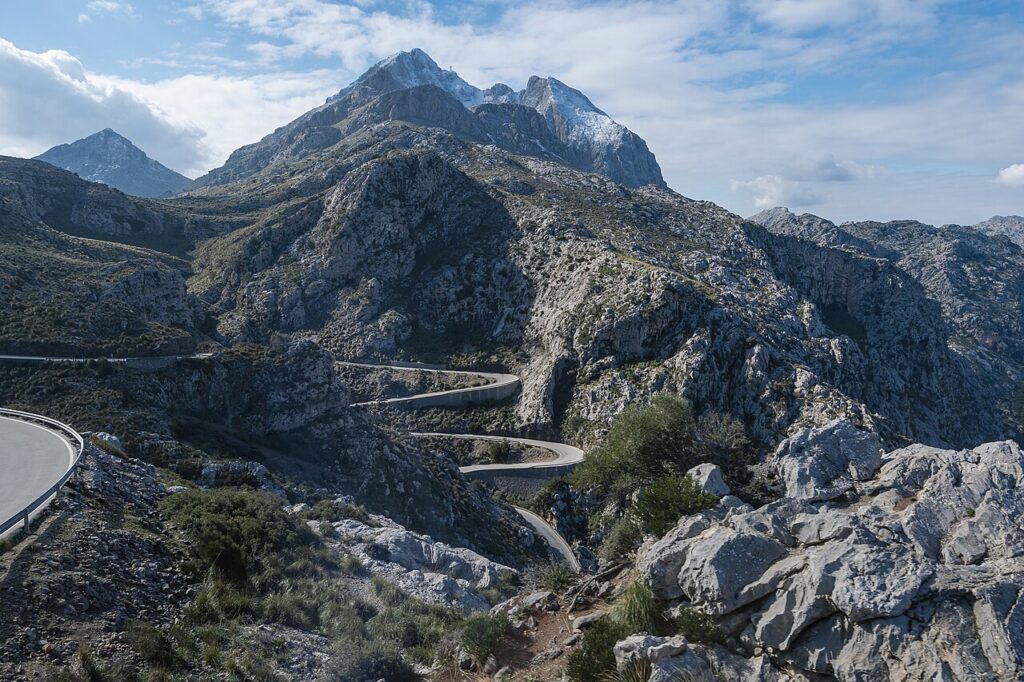
Mallorca is the largest and most diverse of the three. The Serra de Tramuntana mountain range runs along the northwest coast, its peaks dropping dramatically into the sea. The drive along the MA-10 from Andratx to Pollença ranks among Europe’s most spectacular coastal roads, winding through stone villages like Deià and Valldemossa, where Chopin spent a winter in 1838.
Palma, the island’s capital, centers around its massive Gothic cathedral, La Seu, whose interior was redesigned by Gaudí in the early 1900s. The old quarter spreads out from here in a tangle of narrow streets hiding excellent tapas bars—try Ca’n Joan de S’aigo for hot chocolate and ensaimadas, the island’s signature spiral pastry, unchanged since 1700.
For beaches, skip the overdeveloped south and head to Cala Mondragó on the southeast coast or Es Trenc, a three-mile stretch of white sand backed by dunes and salt flats. The north coast offers dramatic coves like Cala Tuent, accessible via a harrowing but worthwhile switchback road.
The Wednesday market in Sineu, held in the island’s geographic center since the 13th century, draws locals rather than tour buses. Arrive early for the livestock auction and stay for sobrassada sausage and olives from farms you can actually see from the plaza.
Menorca: Prehistoric Sites and Secret Coves
Menorca feels like Mallorca did forty years ago—quieter, less developed, and fiercely protective of its landscape. UNESCO designated the entire island a biosphere reserve, and you’ll notice the difference immediately. The north coast is wild and rocky, the south scalloped with calas—small coves with gin-clear water that turns every shade of blue.
Cala Macarella and Cala Macarelleta on the south coast are the island’s poster children, reached by a twenty-minute walk through pine forest from the parking area. For something more remote, hike the Camí de Cavalls, a 115-mile coastal path that circles the entire island, connecting cove after perfect cove.
The two main towns couldn’t be more different. Mahón in the east has a deep natural harbor—the British ruled from here in the 18th century and left behind Georgian architecture and a taste for gin. The Xoriguer distillery near the port still makes it the traditional way. Ciutadella in the west is all Gothic and Moorish, its narrow streets opening onto a small harbor lined with restaurants serving caldereta de langosta, the island’s lobster stew.
Menorca’s taulas—T-shaped stone monuments built 3,000 years ago—dot the countryside. The site at Talatí de Dalt outside Mahón is easily accessible and hauntingly atmospheric, especially at sunset when you’ll likely have it to yourself.
Ibiza: White Villages and Hidden Beaches
Yes, the clubs exist, concentrated in Ibiza Town and San Antonio. But the island’s other face—whitewashed villages, hippie markets, and quiet northern beaches—offers an entirely different experience. Dalt Vila, the fortified old town rising above Ibiza’s harbor, earned UNESCO status for its Renaissance walls and medieval layout. Climb to the cathedral at sunset and watch the light turn the surrounding salt flats pink.
The north coast around Sant Joan and Sant Miquel remains remarkably undeveloped. Cala Xarraca is a tiny bay with a waterfront restaurant, Can Cosmi, serving grilled fish and bullit de peix, the island’s fish-and-potato stew. Nearby Cala d’en Serra requires a dirt road but rewards with turquoise water and almost no crowds.
Santa Gertrudis, in the island’s center, has evolved into a foodie village with restaurants like Macao Café spilling onto the plaza. The Wednesday hippie market at Es Canar and the Saturday market in Sant Joan de Labritja (also called San Juan) are more authentic than Las Dalias, though that one’s worth seeing once for the spectacle.
Formentera, Ibiza’s small southern neighbor, is technically a fourth Balearic island and accessible by thirty-minute ferry from Ibiza Town. Its beaches, especially Ses Illetes, are worth the day trip.
Getting There and Between
All three islands have airports with direct flights from major European cities and connections through Barcelona or Madrid. Ferries run between the islands—Palma to Mahón takes about two hours, Palma to Ibiza roughly the same. Baleària and Trasmediterránea operate year-round, with increased summer schedules.
The best months are May, June, September, and early October—warm enough for swimming but not overrun. July and August bring crowds and prices to match, though Menorca remains relatively calm even then. Renting a car makes sense on Mallorca and Menorca; on Ibiza, you can get by with buses and taxis if you’re staying in Ibiza Town or Santa Eulària.
Each island reveals Spain’s ability to be many things at once—ancient and modern, wild and cultivated, peaceful and celebratory. Want more insider guides to Spain’s islands, coast, and hidden corners? Subscribe to the Love Spain newsletter for one short story a day from across the country.